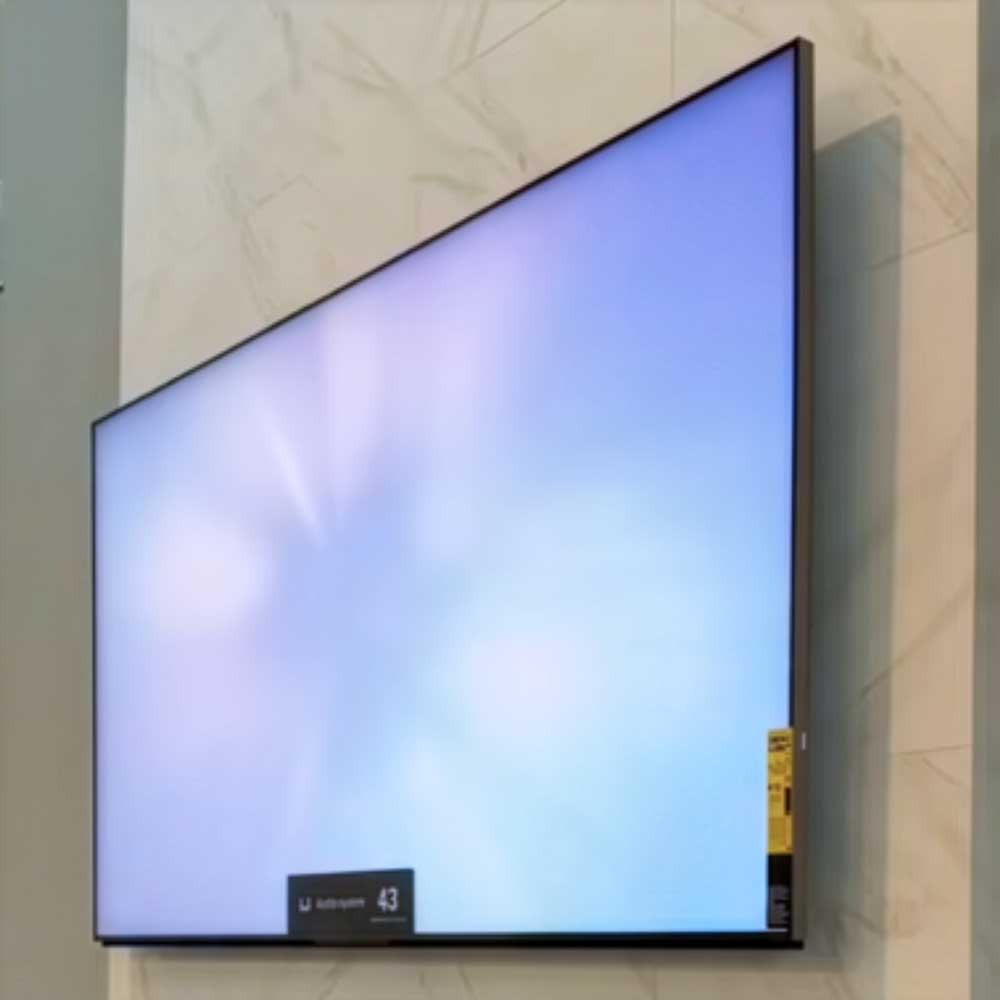
Clean Lines. Clear View.
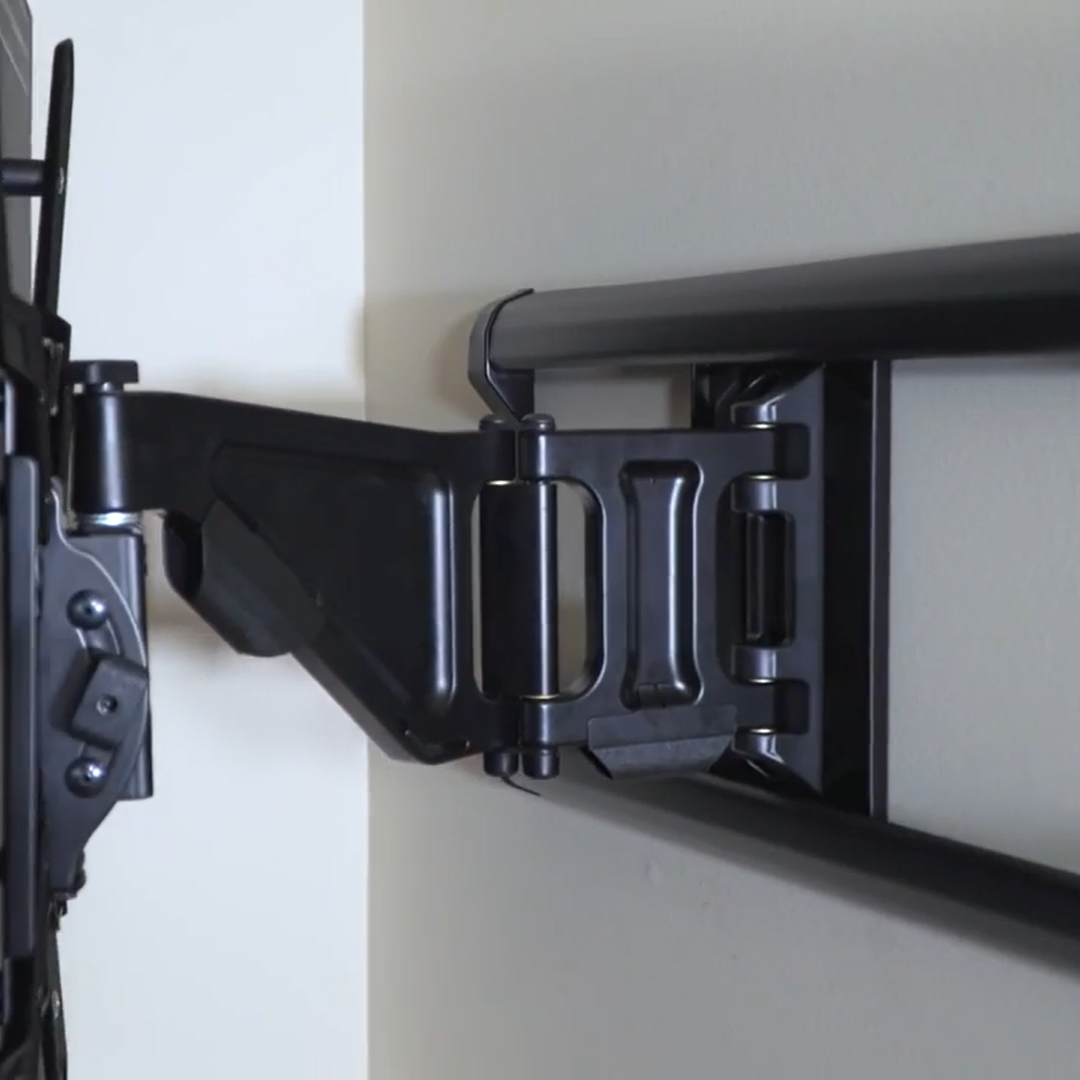
Getting a TV mounted on your wall begins with understanding the surface itself. Different materials like drywall, brick, concrete, tile, and plaster require different methods to ensure the mount hold properly. We work with the structure of the wall so the installation feels stable and the finished result looks right in the room.
Call or Text: (832) 413-1265
Serving The Greater Houston & Surrounding Areas
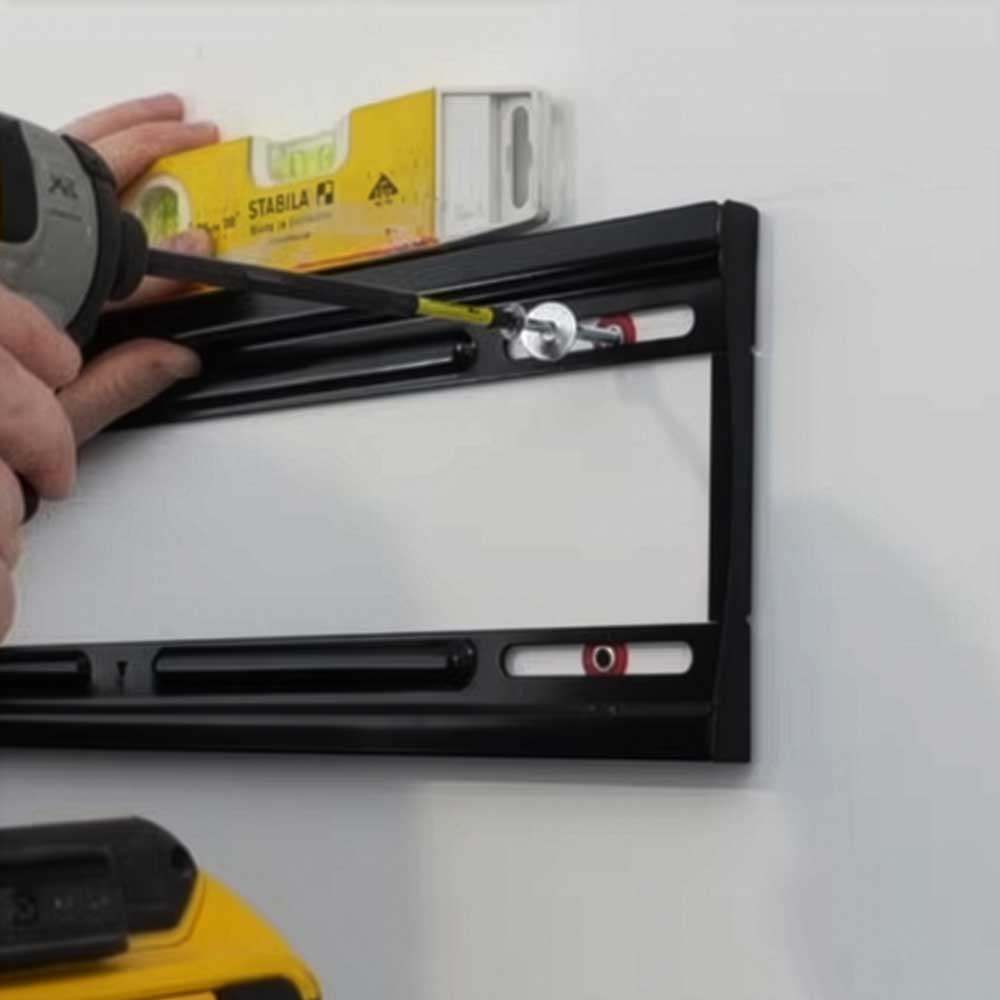
Standard drywall is our most frequent mounting surface. These walls typically feature wood or metal studs behind the scenes, providing a secure anchor point for your mounting bracket.
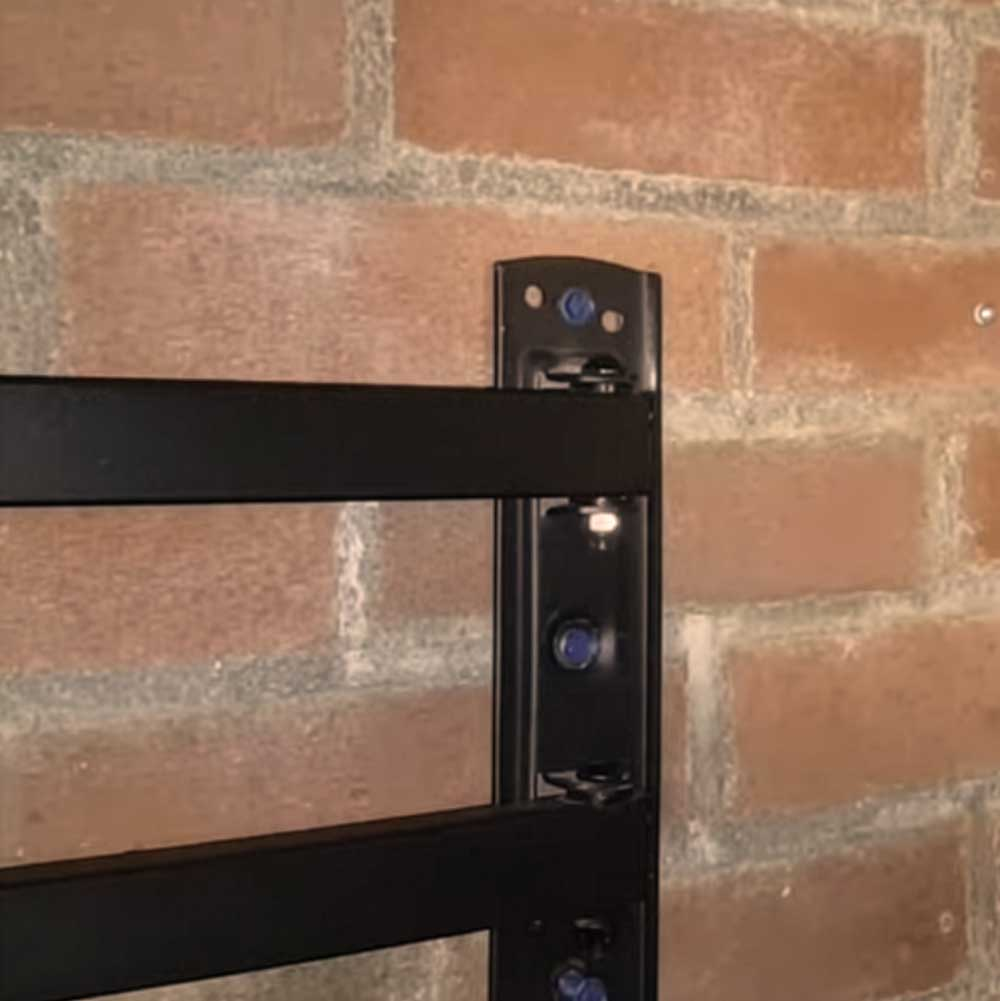
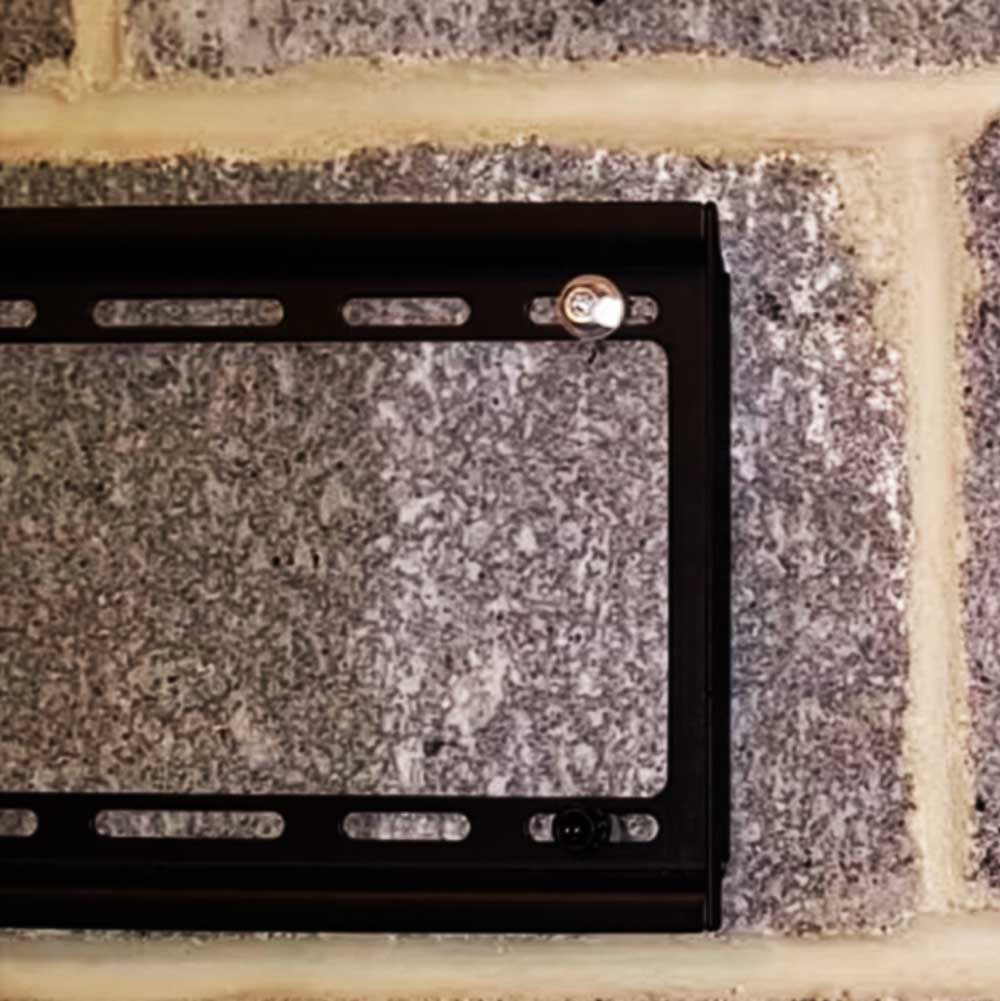
Brick and concrete offer incredible flexibility, allowing us to mount your screen almost anywhere on the wall. We secure the brackets directly into the masonry using heavy-duty anchors, which removes the need for traditional studs while providing a rock-solid foundation.
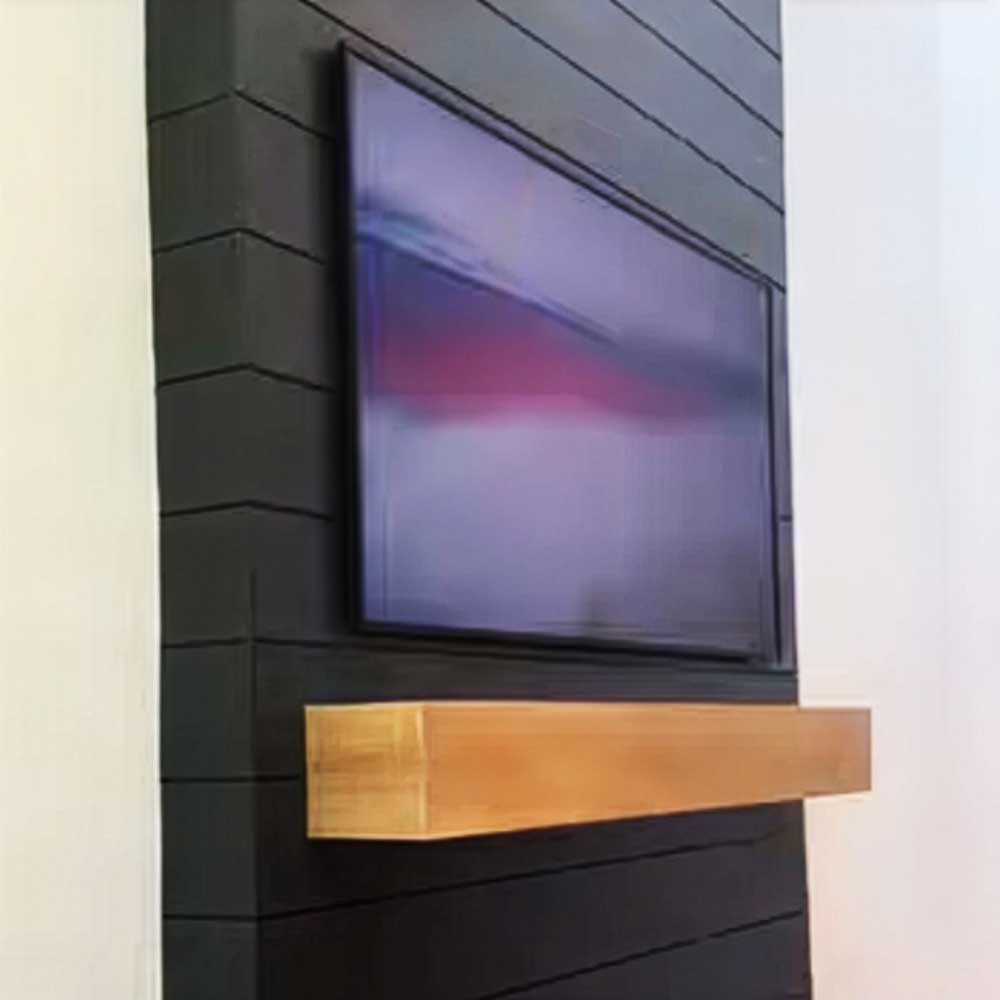
Wood paneling installations vary depending on the thickness of the material. For panels that are 1/4-inch or 3/8-inch thick, we must secure the brackets directly into the studs for proper support. However, if your paneling is 1/2-inch thick or more, it is sturdy enough to hold the mount almost anywhere on the wall.
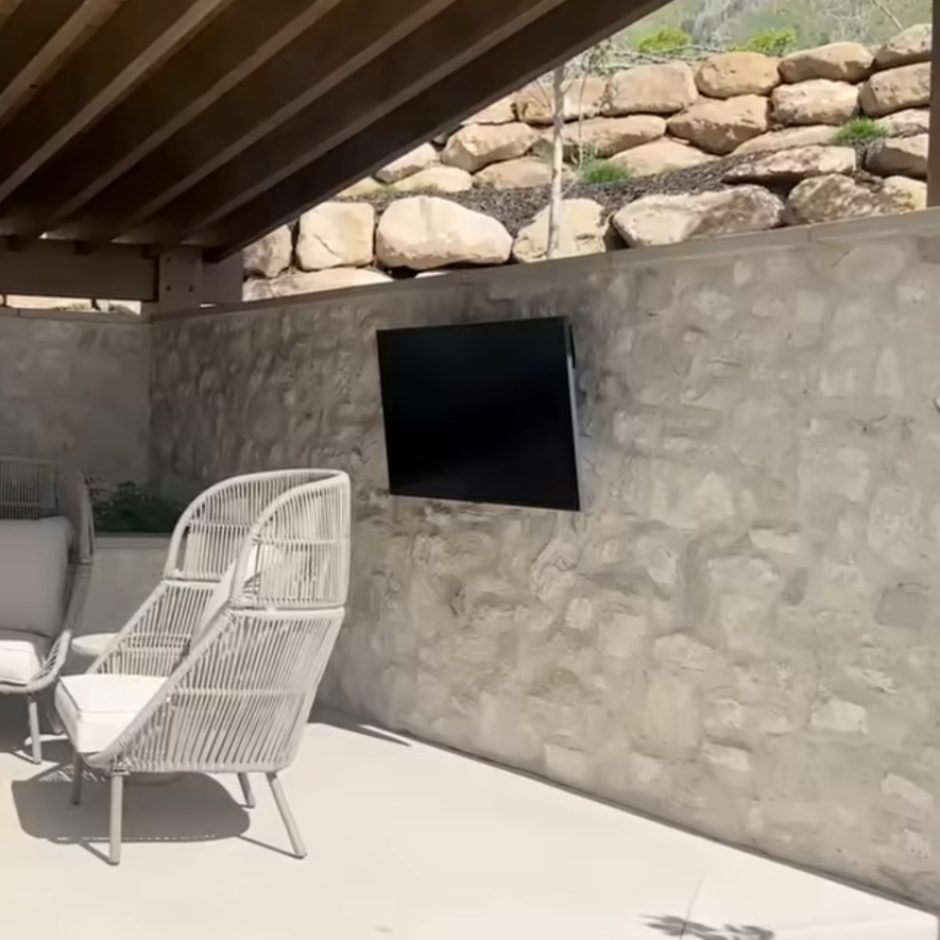
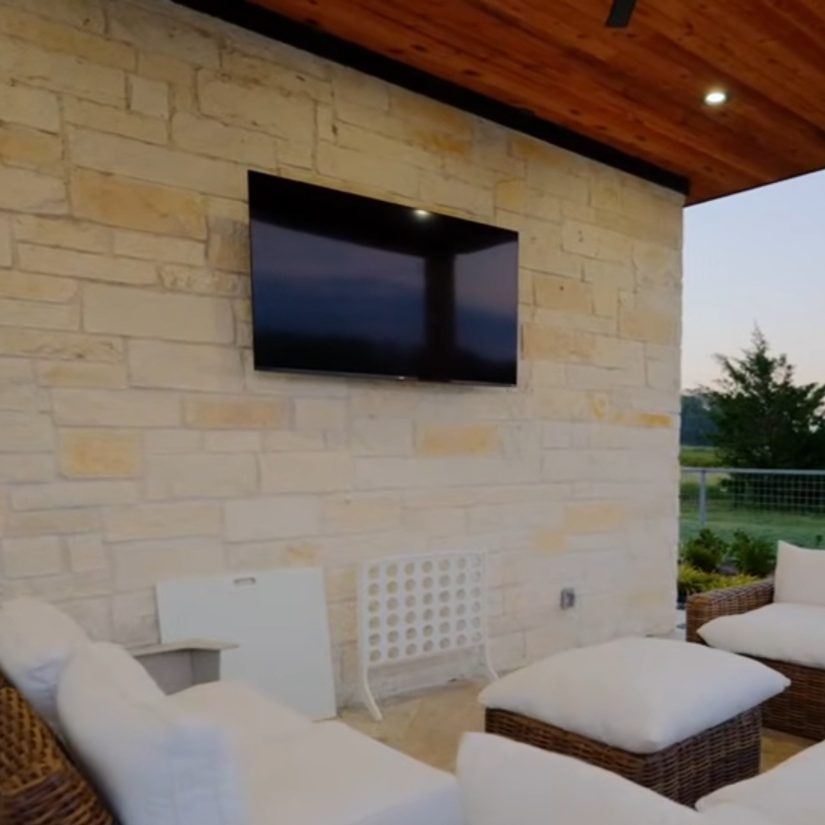
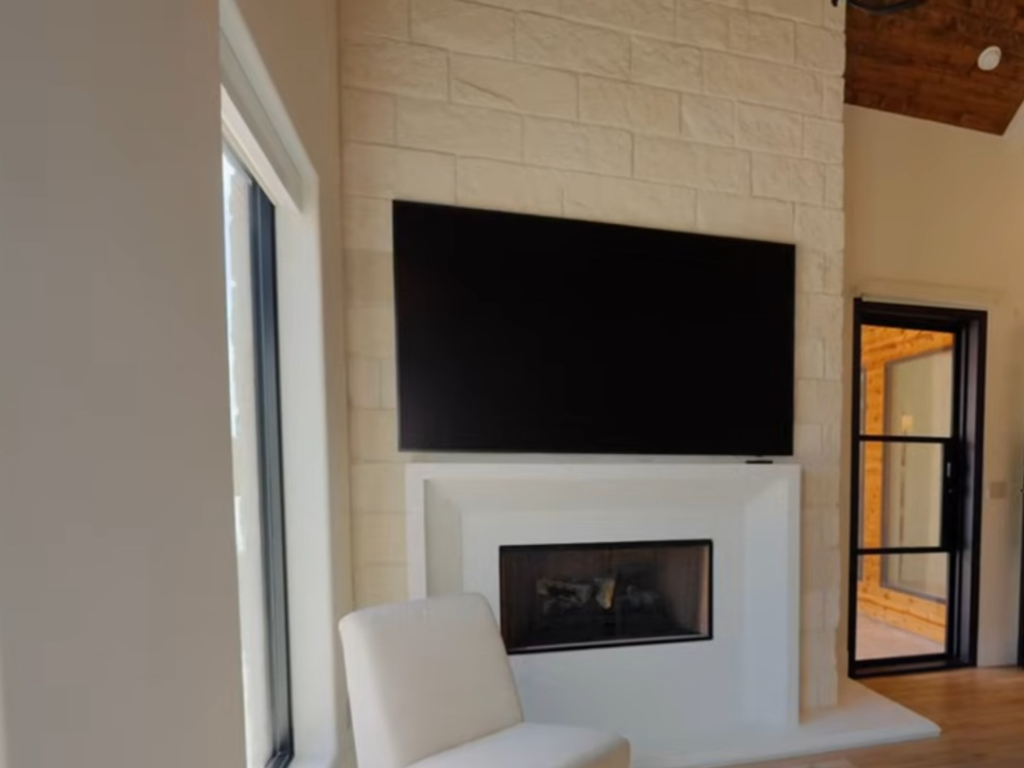
Stone walls bring a high-end look to any room, and they are excellent for a secure installation. We use specialized masonry bits and heavy-duty anchors to mount your bracket directly into the stone or mortar, ensuring your TV stays rock-solid without the need for studs. Because every stone surface is unique, we take extra care to preserve the aesthetic while creating a perfectly level, professional finish.
Stone is the most common surface that a TV will be mounted on. With this surface type, there will typically be wood or metal studs located between the wall which will be used to mount the mounting bracket.
Mounting on tile requires precision and the right touch to avoid any cracks or damage. We use diamond-tipped drill bits to create clean, precise holes through the tile, anchoring the bracket firmly into the structure behind it. This process ensures your TV is safe and secure while keeping your high-end bathroom or kitchen walls looking flawless.
Concrete walls provide a rock-solid foundation for any television, regardless of its size. We use industrial-grade hammer drills and specialized anchors to bolt the bracket directly into the wall, creating a permanent and secure bond. This eliminates any need for studs and gives you the freedom to pick the exact height and position that works for your room.
Plaster walls, common in older homes, require a specialized approach to prevent crumbling or cracking. We use precision techniques to anchor your TV into the solid wood lath or original studs behind the plaster, ensuring a heavy-duty hold. This careful method preserves the integrity of your classic walls while providing the strength needed for a secure, modern setup.
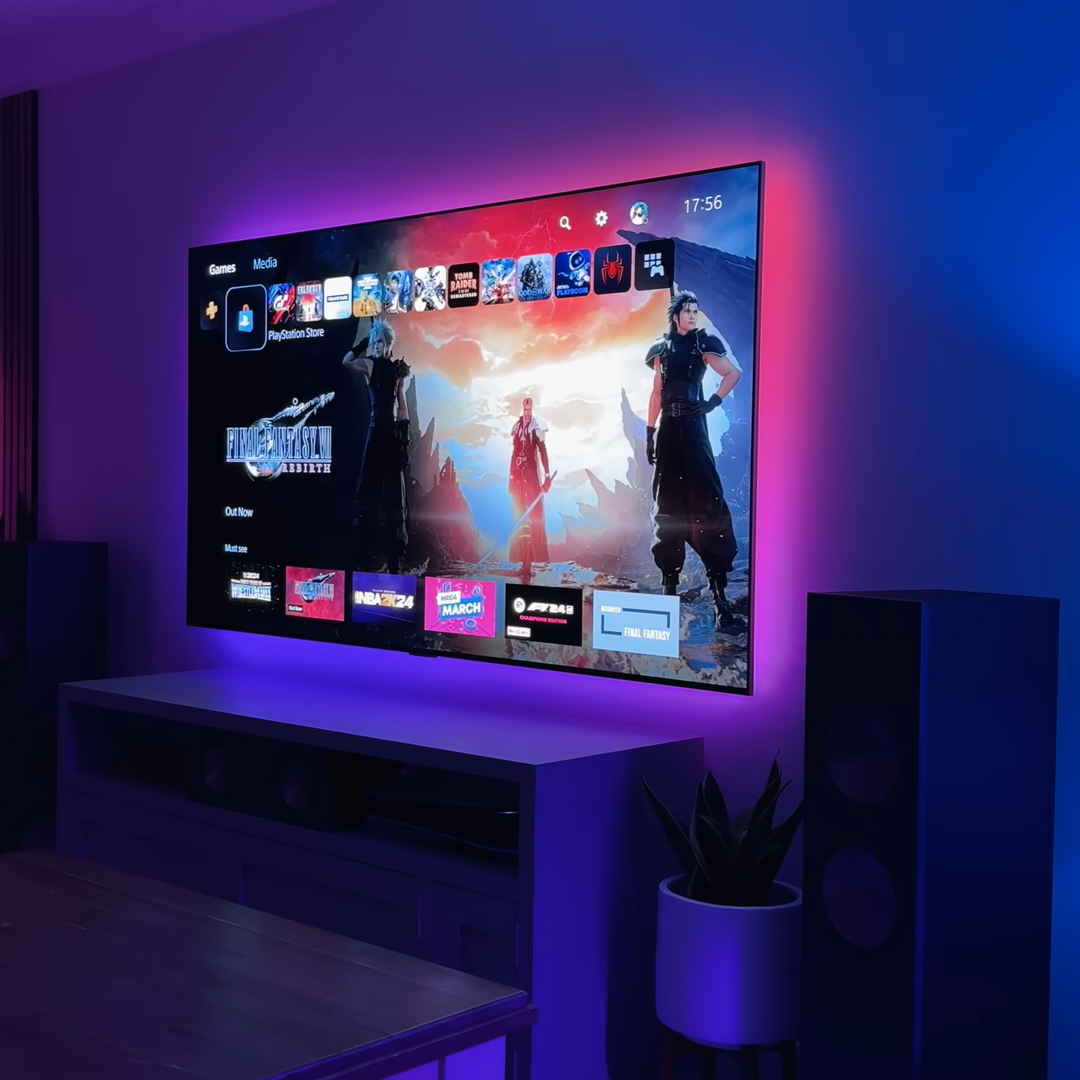
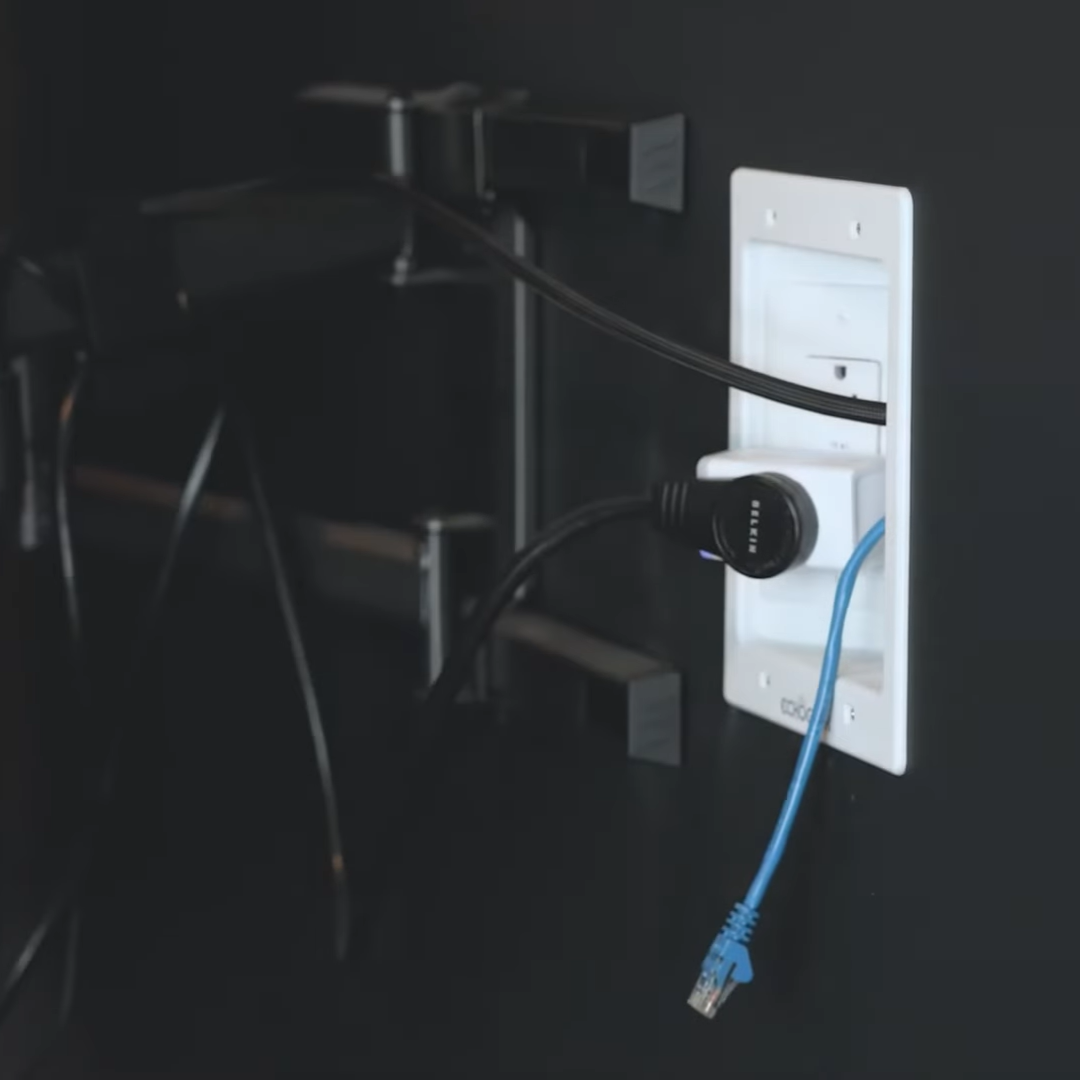
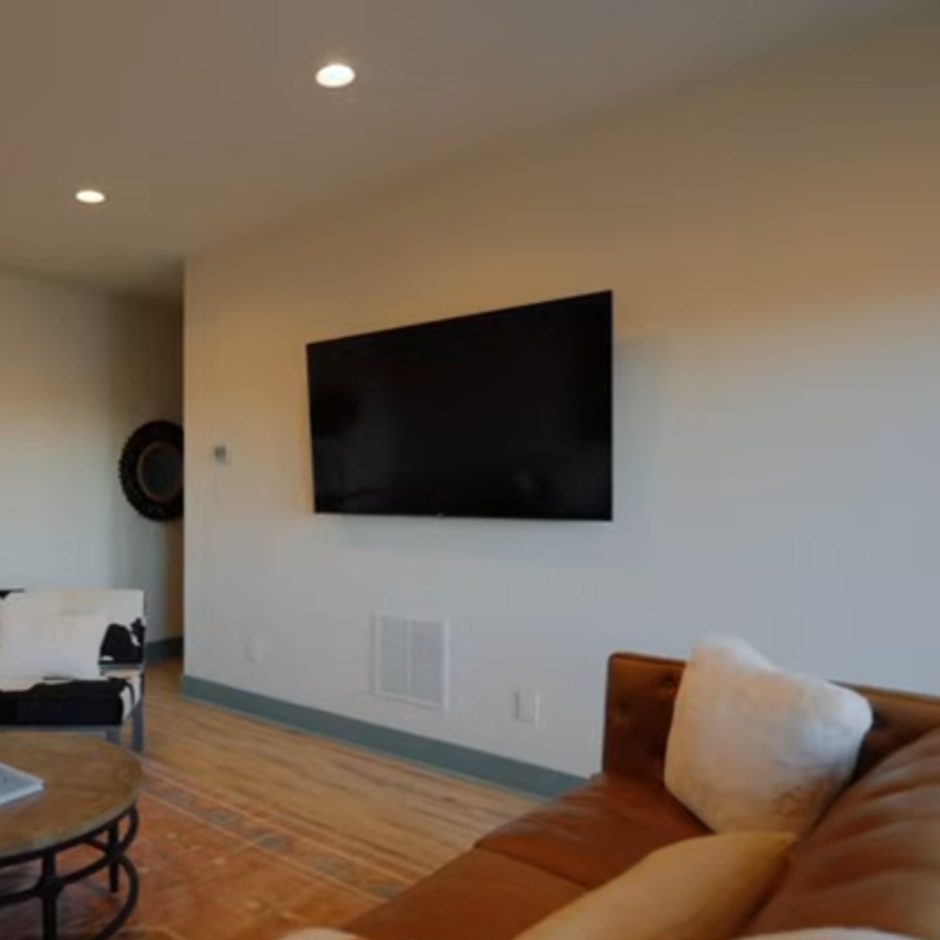
Get the clean lines you want, the stability you need, and the peace of mind you deserve. Book you TV mounting in Houston today and enjoy a setup that looks finished and feels solid.
Call or Text: (832) 413-1265
Serving The Greater Houston & Surrounding Areas
Clean. Secure. Built to last.
Clean Lines. Clear View.
Quick checklist